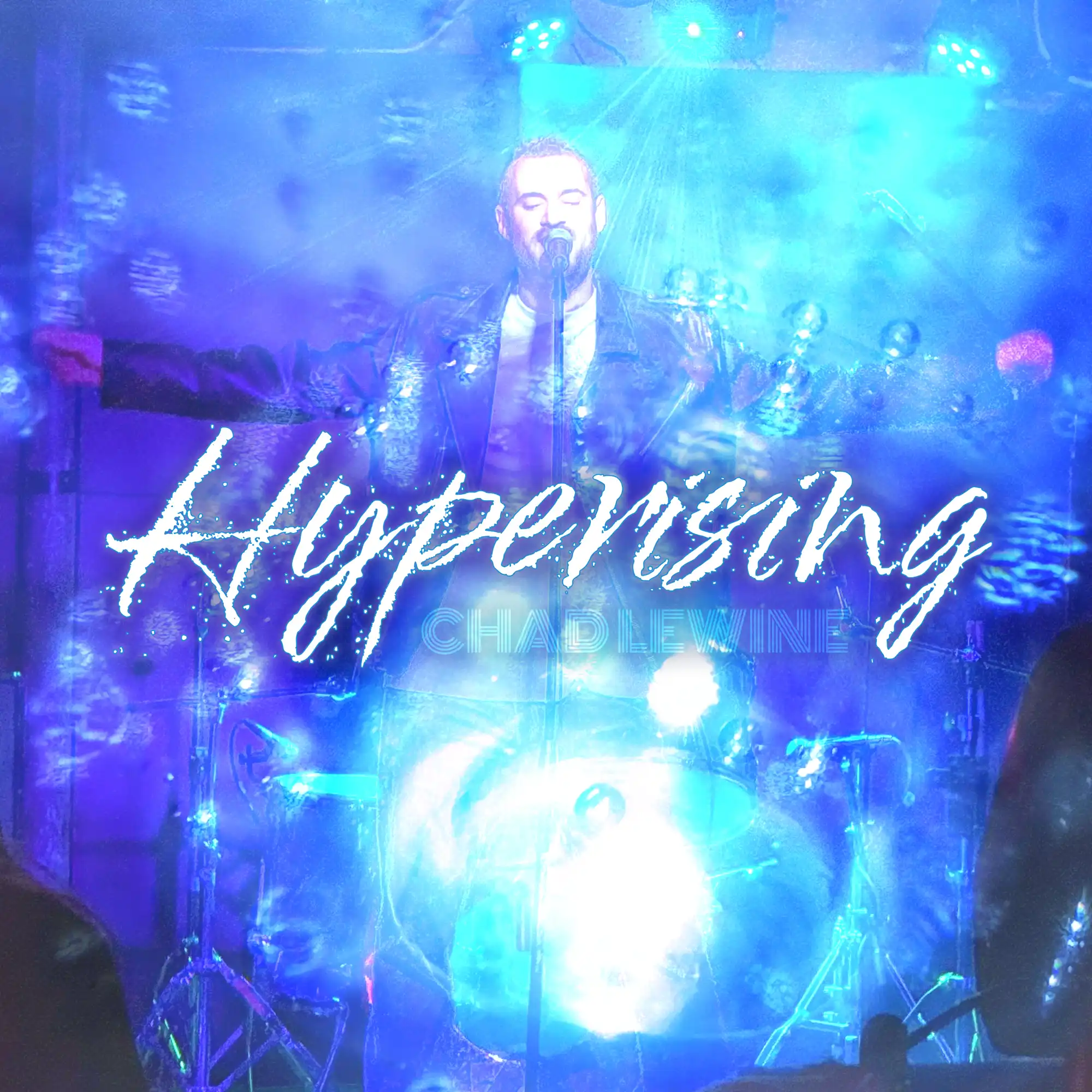
The Unbelievable
Lyrics
Every day somebody gotta say
"I like what you do, but do it a different way
Don't say that, okay? you push people away"
Well tell me…

How do I speak the unspeakable, when I know heaven is reachable
How do I keep the unkeepable, when I believe in the unbelievable
You think I'm too much, I'm too rough, I'm out of touch
I say you're see through, don't need you tripping me up
I'm gonna speak the unspeakable, because I believe the unbelievable

Hidden gems, lucky for finding them
How they shimmer and shine can be startling
Fill pockets and pray the light's guiding the way
Don't block it baby, let in the knowledge today

I know your terrified, but I'm here
I'll walk beside you, right through your fear
We're summiting the un-peakable
By speaking the unspeakable

I believe the unbelievable, believe the unbelievable
Believe, beyond belief, how do I speak

How do I speak the unspeakable, when I know heaven is reachable
Oh how do I keep the unkeepable when I'm watching the people
All gasping for some breathable air, is that unbelievable?

You think I'm too much, I'm too rough, I'm out of touch
I say you're see through, don't need you tripping me up
I'm gonna speak the unspeakable, because I believe the unbelievable

I reach the unreachable
And I speak the unspeakable
Is that so unbelievable?
About This Song
What is the song “The Unbelievable” by Chad Lewine about?
I wrote this song in direct response to someone trying to silence me while simultaneously attempting to manipulate me into letting them consult on my music career. Fuck that.
— Chad Lewine
The Unbelievable by Chad Lewine is a 2:15 hyper pop defiance anthem on HYPERISING, built from the near-verbatim words a manipulator used to silence him. The song turns tone-policing into a declaration that speaking taboo truths and walking beside others through fear is the only way up.
Topics & themes
- hyper pop
- defiance anthem
- tone policing
- truth-telling
- HYPERISING
- whistleblower anthem
- spiritual defiance
- narcissistic abuse
Michael Jackson — Threatend
If you like the song Threatend by Michael Jackson, you might like the "I'm gonna do what I want" attitude in The Unbelievable by Chad Lewine. People with ambitious or alternative goals and initiatives may resonate with the "fuck you" attitude of the song's lyrics.
The audience is defined by situation, not demographic. It's the person telling their boss the boss is treating them badly. The one calling out narcissistic or abusive behavior that no one else sees, or that everyone sees but no one names, and getting reprimanded for it. The person who becomes the problem for identifying the problem.
This stretches across every domain. In personal life: the family scapegoat, the partner who says "this isn't okay," the friend who names the elephant. In professional life: the employee punished for honesty, the whistleblower. In political life: the person raising concerns about institutions and being dismissed as difficult or extreme. The pattern is identical in every case.
The "unbelievable" dimension opens the song to a specific and rapidly growing audience: people who believe in UFOs, extraterrestrial life, metaphysics, expanded consciousness, non-materialist reality. Everything the system was designed to suppress. These are things that can't yet be proved by conventional science but that people already know are there. This audience has exploded as what was fringe becomes mainstream: UAPs in congressional hearings, psychedelics in clinical therapy, meditation in mainstream medicine. "Is that so unbelievable?" is the exact question these communities have been asking.
"You think I'm too much, I'm too rough, I'm out of touch"
The emotional profile: they already know. They don't need convincing. What they need is permission and companionship. They're exhausted from being gaslit, told they're too much, too intense, too conspiratorial, too sensitive. They've lived in the gap between knowing and speaking, and the cost of speaking has been real. They don't need a guru. They need someone standing in the same gap saying "I'm here too."
Made for
- Primary audience: the person punished for naming the problem, across personal, professional, political, and metaphysical domains
- Family scapegoats, whistleblowers, partners who break silence, employees punished for honesty
- Growing audience in UFO/UAP, psychedelic, and metaphysical communities as fringe beliefs reach mainstream validation
- Emotional profile: they already know the truth, they need permission and companionship, not convincing
- Exhausted from gaslighting: told they're too much, too intense, too sensitive, too conspiratorial
- They don't need a guru or motivational speaker, they need solidarity from someone in the same gap
The song's emotional location is specific: the gap between knowing and speaking. The comfortable thing isn't working. The thing that works is unknown. That gap is where the terror lives. "The Unbelievable" plants itself in that gap and says: I'm here too, let's move.
Chad doesn't write from a position above the audience. He IS the audience, multiplied. He was the person who knew something was up with the way the world works and had hostile experiences because of his alternative thoughts and lifestyle. "I'll walk beside you, right through your fear" isn't charity or mentorship. It's solidarity from someone who already walked through the fire and came back for the next person.
"All gasping for some breathable air, is that unbelievable?"
This operates on two simultaneous levels. Literally: air quality, environmental degradation, the physical world failing. Metaphorically: the systems, expectations, comfortable lies, and suppressed truths people breathe daily are toxic. Both layers carry the same message. You're not imagining it. The air IS bad. And you're safe to say so.
The "unspeakable" in this world isn't obscene or shocking. It's the obvious thing no one will say. The dysfunction everyone sees but no one names. The beliefs everyone holds but won't admit to: metaphysics, expanded consciousness, the sense that reality is bigger than what we've been told. The song proclaims safety for all of it.
"Hidden gems, lucky for finding them" points to what's available on the other side of the fear. Knowledge, insight, light, already there, already shimmering, waiting for someone willing to look. The defiance isn't empty. There's treasure on the other side. Heaven is described as "reachable," not promised, not guaranteed, but accessible through action and speech.
- The song lives in the gap between knowing something is wrong and being willing to say it out loud
- Chad writes from inside the experience, not above it: solidarity, not mentorship
- "Gasping for breathable air" works on two levels: literal environmental failure and metaphorical systemic toxicity
- The "unspeakable" is the obvious truth no one names, not anything obscene or shocking
- "Hidden gems" represents the treasure available on the other side of fear: knowledge, insight, light
- Heaven is described as "reachable" — accessible through action, not passively promised
- The song proclaims safety for personal truth, political truth, and metaphysical truth simultaneously
The hook is the most extractable shareable: "I'm gonna speak the unspeakable, because I believe the unbelievable." Causation, not correlation. Belief is what makes the speech possible. This is the line that fits a caption, a tattoo, a bio, a protest sign.
"I'll walk beside you, right through your fear"
The solidarity line works on its own without context. It's the bridge moment that lifts the song out of pure defiance and into companionship. Shareable for anyone in a healing community, support context, or recovery space.
"All gasping for some breathable air, is that unbelievable?"
The double-meaning line. Works for environmental posts, systemic-critique posts, and anyone naming the toxicity of modern life. "You think I'm too much, I'm too rough, I'm out of touch" is the tone-policed person's anthem in fifteen syllables.
- "I'm gonna speak the unspeakable, because I believe the unbelievable" — the hook, full causation
- "I'll walk beside you, right through your fear" — solidarity line, lifts out of context cleanly
- "All gasping for some breathable air, is that unbelievable?" — double-meaning line, environmental and systemic
- "You think I'm too much, I'm too rough, I'm out of touch" — tone-policed person's anthem
- "We're summiting the un-peakable / By speaking the unspeakable" — the climb metaphor, paradox-stacked
- "Don't block it baby, let in the knowledge today" — permission line for the metaphysical seeker
We are living through a period where the cost of naming a thing has gotten higher than the cost of the thing itself. Call out the abuser, you become the problem. Question the institution, you're the extremist. Mention the UFO hearings, the psychedelic clinical trials, the meditation studies, and you're "too much."
"Every day somebody gotta say / I like what you do, but do it a different way"
This is the cultural water people are swimming in. The compliment that's actually a leash. The "feedback" that's actually a control mechanism. The Unbelievable lands at the moment when people are starting to recognize the pattern in real time.
The metaphysical layer matches the same shift. Congressional UAP hearings, psychedelics in therapy, breathwork in mainstream medicine, ancient knowledge crossing into popular culture. The fringe is becoming the foreground. "Is that so unbelievable?" is the question this entire cultural threshold is asking.
- Tone-policing has become the dominant silencing mechanism in personal, professional, and political life
- Fringe beliefs (UAPs, consciousness, psychedelics, ancient knowledge) are crossing into mainstream legitimacy
- The cost of naming dysfunction is now higher than the dysfunction itself
- People are starting to recognize "concern" as a control mechanism in real time
- The song meets a cultural threshold where the previously unspeakable is becoming sayable
The opening verse is a near-transcript. Someone positioning herself as a career helper told Chad he was too direct, too cutting in his shortform content. She said he was pushing people away. Those words ended up almost verbatim in the song: "I like what you do, but do it a different way / Don't say that, okay? you push people away."
This wasn't honest feedback from a trusted collaborator. It was tone-policing as a control mechanism, a hostile narcissistic takeover attempt wrapped in concern. The playbook: soften your voice so I can manage it. Make yourself smaller so I can position myself as the one who made you palatable. Chad recognized it for what it was.
The move he made was the opposite of what she wanted. He took her exact language and built a song that proves the point she tried to suppress. The manipulator wrote the hook. There's something irreversible about that. The very act she tried to prevent became the art.
"Don't say that, okay? you push people away / Well tell me…"
The "well tell me" is the pivot. The song absorbs the silencing attempt and then turns it into the launching pad for everything that follows. Every chorus, every bridge, every declaration of belief exists because someone told him to be quiet.
The 2:15 runtime isn't specific to this song's defiance. HYPERISING as an album is built on a hyper pop short-burst format, all tracks designed compact. But in context, the brevity amplifies the message: the song doesn't need to explain itself, justify itself, or soften itself with extra time. It says what it says and leaves.
- Opening verse is near-verbatim from a real confrontation with a self-appointed gatekeeper
- The gatekeeper's tone-policing was a narcissistic control mechanism disguised as helpful career advice
- Chad took her exact words and turned them into the hook, making the manipulation attempt the origin of the art
- "Well tell me…" is the pivot point where silencing becomes launching pad
- The 2:15 runtime reflects HYPERISING's hyper pop short-burst format, but contextually reinforces the refusal to over-explain
- The manipulator wrote the hook, and the very act she tried to prevent became the song
The construction works on a single technical move: take a silencing attempt and feed it into the engine of the song. The first verse is dialogue, not Chad. Someone telling him to soften, to do it "a different way," to not push people away. The "well tell me…" is the pivot — the moment the song stops absorbing and starts answering.
"How do I speak the unspeakable, when I know heaven is reachable / How do I keep the unkeepable, when I believe in the unbelievable"
The hook stacks four "un-" paradoxes in two lines. Unspeakable, unkeepable, unbelievable, and later un-peakable, un-reachable. Each one names a thing the world says cannot be done, then does it. The bridge ("I'll walk beside you, right through your fear") drops the defiance for one beat of solidarity before climbing back into declaration. At 2:15, the song refuses to over-explain. It says what it says and leaves.
- Verse one is near-verbatim manipulator dialogue, not Chad's voice — the song answers it
- Hook stacks "un-" paradoxes: unspeakable, unkeepable, unbelievable, un-peakable, unreachable
- Bridge pivots from defiance to solidarity ("I'll walk beside you") then climbs back into declaration
- 2:15 hyper pop runtime matches HYPERISING's short-burst format and reinforces the refusal to justify
- "Well tell me…" is the structural pivot where silencing becomes launchpad
The closest catalog kin is See Through Me — same instinct of naming the manipulator's transparency back to them ("I say you're see through, don't need you tripping me up"). The Divide's A Lie shares the systemic-critique register: naming the false structure everyone is told to accept.
"I reach the unreachable / And I speak the unspeakable"
Ancient Flow sits in the same metaphysical territory — knowledge that has been hidden, forgotten, silenced. This is a Raid! and Eye For An Eye share the confrontational posture toward broken systems. On the HYPERISING album itself, this song functions as the thesis statement — the moment the album declares what it refuses to be quiet about.
- See Through Me — same instinct of naming the manipulator back to themselves
- The Divide's A Lie — systemic-critique register, false-structure naming
- Ancient Flow — metaphysical territory, hidden/silenced knowledge
- This is a Raid! and Eye For An Eye — confrontational posture toward broken systems
- HYPERISING — the album's thesis-statement track
- Renegade and Settle The Score — defiance kin
The song's shape is built for the moment a character stops absorbing and starts answering. Picture the scene in a prestige streaming drama where the scapegoated family member finally speaks at the dinner table — the song hits at the "well tell me…" pivot, escalates through the character walking out, and lands the chorus over them driving away.
For documentary work, this scores the segment of a UAP / disclosure / whistleblower film where the interviewee says the thing the establishment has spent decades calling impossible. The "is that so unbelievable?" line is built for that beat. Trailer-wise, it's a defiant-protagonist feature — think the tonal territory of Promising Young Woman or Nightcrawler, where the lead is the one everyone keeps trying to manage.
The 2:15 runtime makes it usable end-to-end without edits, which sync supervisors notice.
- Confrontation scene in a streaming drama where the scapegoat finally speaks (Succession, The Bear, Yellowjackets register)
- Documentary cue for a UAP, whistleblower, or institutional-exposure film
- Trailer bed for a defiant-protagonist feature in the Promising Young Woman or Nightcrawler tonal range
- Montage in a coming-of-age film where the lead stops shrinking themselves to fit
- End-credits song for an indie drama about narcissistic abuse or family scapegoating
- Needle-drop in a sci-fi or paranormal series at the moment a character publicly believes
- Brand spot for a mental health, recovery, or truth-telling platform leaning into solidarity language
People Also Ask
- What is The Unbelievable by Chad Lewine about?
- Someone attempting to take over Chad's career told him he was too direct, too cutting, that he pushed people away. He took her exact words and built the opening verse around them. The silencing became the song. The criticism became the hook. The whole track is a defiance act built from the language of the person who tried to shut it down.
- Who is The Unbelievable for?
- The person who names dysfunction and becomes the scapegoat for naming it. The whistleblower, the black sheep, the family member who says 'this isn't okay' while everyone else enables it. You already know something's wrong. This song says I see it too, and I'll walk beside you through the fear of saying it out loud.
- Is The Unbelievable a protest song or a spiritual song?
- It occupies a lane that barely exists: spiritual defiance. 'How do I speak the unspeakable, when I know heaven is reachable' isn't protest or praise. The belief in something higher is the fuel for refusing to shut up. The faith and the rebellion are the same act.
- What does summiting the un-peakable mean?
- Peak and speak collapsed into one image. The mountain you can't summit and the truth you can't say are the same obstacle, and you overcome both the same way: by speaking your way up through the fear. It's wordplay that earns its weight.
- What album is The Unbelievable on?
- HYPERISING, Chad Lewine's hyper pop album where every track hits fast and leaves. The Unbelievable runs 2:15. Nothing wasted. Everything said.


